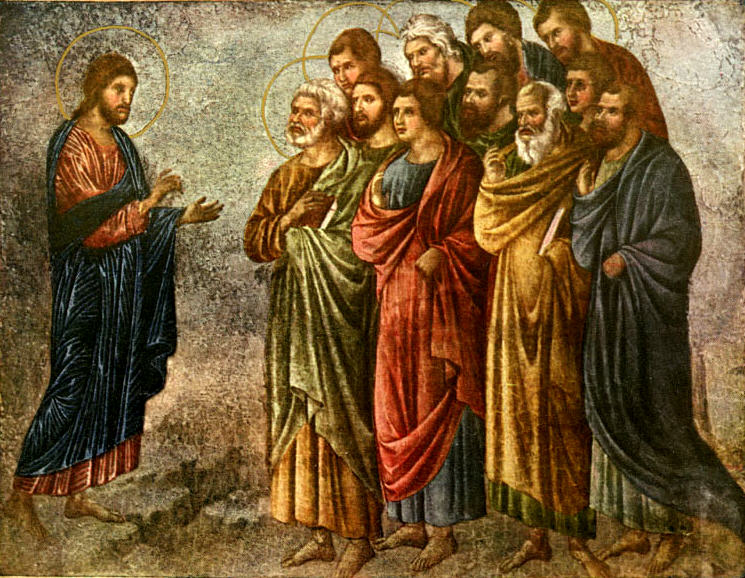
On this Fourth Sunday in Ordinary Time, Year A, the Church meditates on the beginning of the Sermon on the Mount according to the Gospel of Saint Matthew (Mt 5:1–12a). The Beatitudes form the heart of Jesus’ teaching and present the model of holiness to which every disciple is called. Meditating on these words allows the faithful to place their lives before the New Law, preparing the heart for a deeper configuration to the Person of Jesus Christ, the perfect fulfillment of all righteousness.
To help you pray with this Gospel, we have chosen five Beatitudes, which we meditate on in the podcast (https://youtu.be/qiCg7plon2g ). You can watch it to deepen your meditation and prayer by selecting the subtitles in the language you prefer. If you wish, also meditate and pray with the other Beatitudes.
The Poor in Spirit and the Possession of the Kingdom
The first Beatitude establishes the foundation of the Christian life: the recognition of one’s own insufficiency before God. To be poor in spirit means to live in an attitude of total dependence on the Lord, renouncing self-sufficiency and pride that close the human person in on themselves. When the soul empties itself of its securities and pretensions, it becomes capable of receiving the fullness of the Kingdom of Heaven, which consists in God’s sovereignty acting in each person’s life and in human history.
The Meek and the Inheritance of the Earth
Evangelical meekness is the virtue of one who, strengthened by grace, masters their own impulses and responds with the serenity characteristic of Christ. Jesus reveals that true power lies in patience that waits on the Lord, not in imposition or violence. The meek will inherit the earth because their strength is born of absolute trust in divine Providence, allowing God’s peace to govern their hearts and their relationships with others.
The Merciful and the Source of Forgiveness
The practice of mercy is the condition for a person to be reached by divine forgiveness at the final judgment. The disciple is called to reflect the compassion of the Father, acting with kindness toward the weaknesses of others and avoiding harsh judgment. By exercising charity and forgiveness, the Christian experiences God’s mercy, understanding that the measure used in dealing with brothers and sisters is the same that will be received from eternal justice.
The Pure of Heart and the Contemplation of God
Purity of heart consists in uprightness of intention and in unifying human desire in the search for the Good, the Beautiful, and the True Good. Seeing God requires a soul stripped of ambiguities and disordered attachments that obscure spiritual vision. Through a life of prayer and asceticism, the faithful purify their gaze to recognize the divine presence, preparing themselves for the beatific vision that is the final goal of all Christian existence.
The Peacemakers and Divine Filiation
Those who promote peace cooperate directly in the work of reconciliation accomplished by Jesus Christ. To be called a child of God is the promise reserved for those who strive to establish harmony where there are conflicts, acting as disciples and instruments of unity and peace in their environments. This peace is born of a heart reconciled with the Father and is manifested in gestures of concord and truth, bearing witness to the presence of the Kingdom of God in the world.
Steps of Lectio Divina
Reading (lectio)
Read Matthew 5:1–12a slowly, observing the setting of the mountain and the authority with which Jesus teaches. Identify each condition and promise associated with the Beatitudes.
Meditation (meditatio)
Which of the Beatitudes most challenge my current conduct? In what way have I been seeking happiness: through my own securities or through real dependence on God?
Prayer (oratio)
Begin your prayer, for example, with:
“Lord Jesus, grant me the grace of a meek and pure heart, capable of forgiving and seeking peace in all circumstances. May Your word transform my way of thinking, so that I desire only what pleases You.”
Contemplation (contemplatio)
Contemplate Jesus Christ as the Man of the Beatitudes. Adore the Lord who perfectly embodies poverty, meekness, and mercy for our redemption.
Action (actio)
Choose a concrete act of mercy or peace-making to carry out this week, aiming at reconciliation in some area of your family or professional life.
Until next week.
Shalom!
Click below and select the subtitles in your language.